WebCollage Contact Us -- 1 (800) 616-1136
The Challenge What We Do How It Works Clients/Affiliates About Us
 
Online Product Merchandising
Purchase Decision Process
Product Marketing Gap
High Cost of Poor Merchandising
The Challenge:
The Purchase Decision Process
Are You Guiding Your Customers Every Step of the Way?

 
Quick Fact

"Multi-channel shoppers who use the web as their primary research channel are more satisfied than those who primarily use the store to research purchases. And, shoppers who research and buy on the web showed significantly higher levels of satisfaction, loyalty and likelihood to purchase online and offline in the coming year."

Source: ForeSee Results / FGI Research, "Customer Satisfaction, Loyalty, and Buying Behavior in the Evolving Multi-Channel Retail World", January 2005
Typically, there are two types of online shoppers. Those who know what they want and those that need guidance to help them make a purchasing decision. Most online channel partners are well-positioned to service the former. However, when it comes to helping potential customers research various product offerings and make an informed buying decision, they often fall flat.

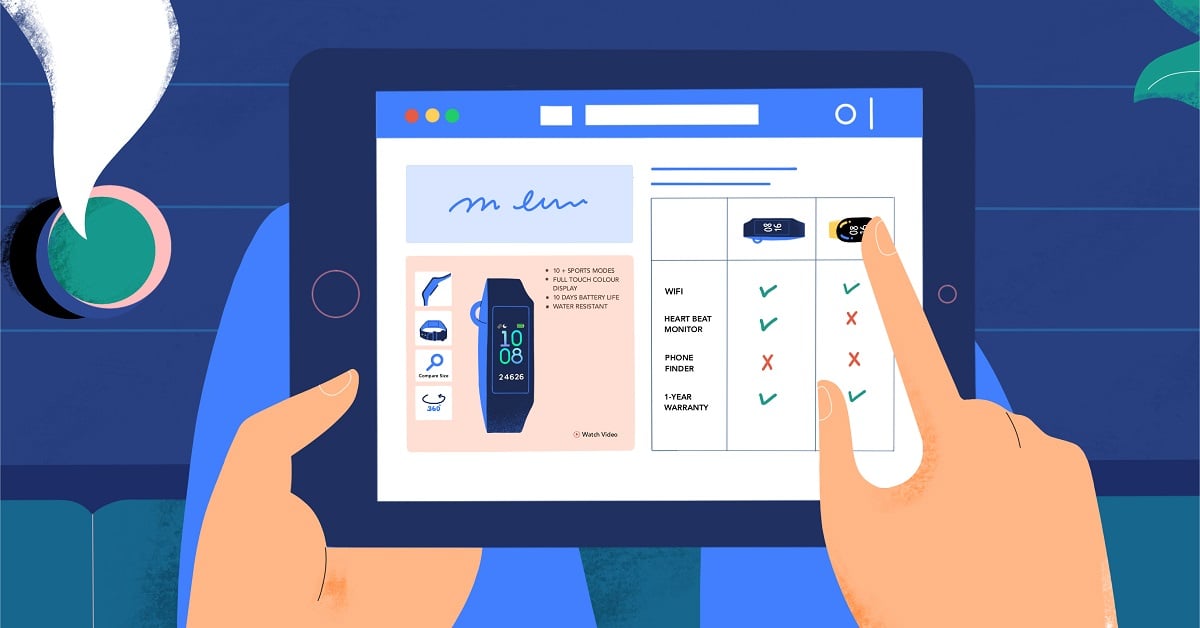
In analyzing the purchase decision process, consumers typically migrate through three distinct phases. During the research phase, the consumer need is for education regarding the potential product or category. They want to know what key features to look for when making a purchase decision and which potential vendors they should be considering. Once they've gained some basic knowledge, the consumer's research efforts will then shift to product selection. During this phase, they're looking to analyze and compare their various options so that they can identify a preferred product or vendor. Once this has been accomplished, the consumer moves to the final phase — making the purchase.

The illustration below outlines the typical phases of a consumer's purchase decision process.

The Purchase Decision Process
The problem with most online retailers is that they have fine-tuned their websites to meet just the needs of those consumers who are already in the purchase phase of their decision cycle. That is, those customers who already know what they want.

Manufacturer sites on the other hand have typically provided the necessary research and product selection tools that can help consumers during the first two phases of their purchase decision process. So what happens when those customers in need of guidance turn to an online retailer for their research needs? Therein lies the product marketing gap.